On the Shelf: What Boots, Holland & Barrett and Superdrug Say About CBD in 2026

Photo: Josie Campbell , CC BY-SA 2.0, via Wikimedia Commons
A high street CBD audit sounds more dramatic than it is. In practice, it means walking into Boots, Holland & Barrett and Superdrug on a dull November afternoon in 2026, peering at shelf labels, checking prices and asking the sort of questions most shoppers ask silently: how strong is this, what am I actually paying for, and can I trust the label?
This is not a lab test and it is not a ranking of every product. Stock varies by store and online. Prices move. But a snapshot of mainstream shelves tells you a lot about how CBD has settled into UK retail, and where the gaps still are.
Why high street shelves matter
CBD is no longer a niche product you only find in specialist shops or online. It sits alongside vitamins, sleep aids and skincare in ordinary retailers. That matters because high street buyers have to make decisions about compliance, packaging and customer demand. Shelf space is limited, so a product has to earn its place.
That does not mean every high street product is excellent. It means it has passed a commercial gate. The retailer has decided it is saleable, and usually that the paperwork is in order. For shoppers, that is a useful signal, but not a guarantee.
Boots: cautious, pharmacy-adjacent, thin on choice
Boots has the most cautious feel of the three. The CBD range is small, often limited to a handful of brands and formats, with more available online than in a typical store. You are more likely to see oils and balms than a wall of gummies and drinks.
Strengths tend to sit in familiar territory, with bottles in the low hundreds of milligrams and servings around 5mg to 10mg of CBD. Prices in the stores I checked ran from roughly £15 to £45, though the range was too small to draw a hard conclusion about value. Label clarity was generally good on the basics: total CBD, serving size and CBD per serving were usually easy to find.
The Boots name carries trust, and the pharmacy setting makes CBD feel less like a novelty. But do not confuse retailer trust with product quality. Boots is not endorsing every claim on the bottle. Check the batch code and lab report as you would anywhere else.
Holland & Barrett: the widest selection and the most shelf talkers
The Holland & Barrett range is the broadest of the three. Oils, capsules, gummies, balms and bath products share space with shelf leaflets and promotional cards. If you want choice, this is where you find it.
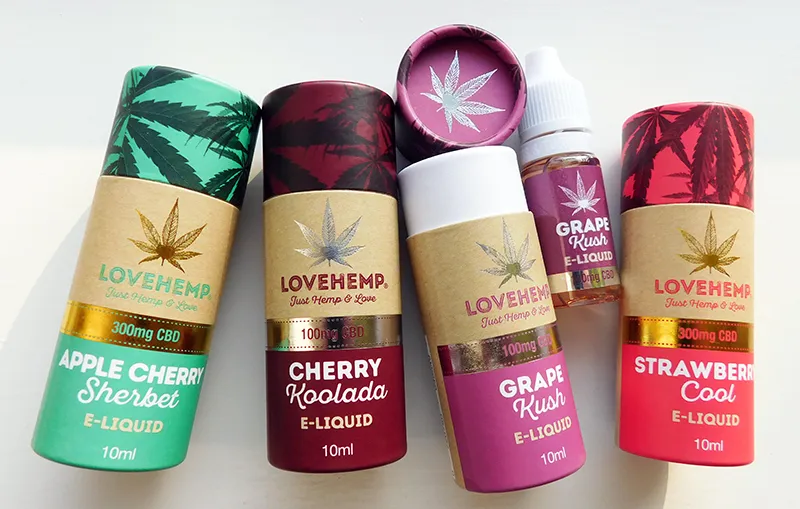
Strengths range from entry-level bottles to larger 1,000mg and 2,000mg packs, with serving sizes that vary considerably. Prices ranged from around £10 for small or introductory products to £60 or more for larger bottles. The value question is not answerable from the front of the pack alone, because bottle sizes and serving sizes differ so much.
Label clarity is decent, and staff in the stores I visited were more willing to talk about CBD than in the other chains. That said, the shelf talkers lean heavily on the same marketing language you see online: full-spectrum, water-soluble, premium. More choice means more homework, not less.
Superdrug: value-led, small range, simple labels
Superdrug sits somewhere between the two. The CBD selection is compact, with a few value-led lines and a couple of familiar brands. It feels aimed at shoppers who want to try CBD without spending a fortune, rather than at enthusiasts comparing cannabinoid profiles.
Strengths are modest, often in the 250mg to 500mg range for oils, with clear front-of-pack dosing. Prices were generally lower, with several products under £20. Label clarity was simple and readable, but the detail was thinner. I found fewer batch codes displayed prominently and less information on shelf about testing.
That does not make Superdrug a bad place to buy CBD. If you want a low-cost entry point and you are prepared to check the brand online afterwards, it can be a sensible first stop. Just do not assume the low price means high value per milligram until you have done the sums.
What the shelves agree on
Across all three retailers, a few things are clear in 2026. CBD strengths are now usually described in milligrams, which is an improvement on the old confusion of percentages and dropper sizes. Servings of 5mg to 10mg are common. Batch codes are more visible than they were a few years ago, and QR codes linking to lab reports are becoming normal rather than exceptional.
Prices per milligram still vary wildly, and the shelf does not always help you compare. A 500mg bottle at £20 and a 1,000mg bottle at £45 may look similar on a shelf, but the cost per milligram is different. Shoppers need a phone calculator, or a very good memory.
Where shop-floor reality and online claims part ways
Online CBD brands often make bold claims about absorption, purity and formulation. High street packaging is usually tamer, partly because retailers are careful about compliance and partly because shelf space rewards clarity. That is not a bad thing. A product that explains itself in a few lines is often easier to assess than one with a landing page full of superlatives.
The gap is most obvious in staff knowledge. High street staff are helpful, but they are not CBD specialists. They can point you to the shelf, not verify a certificate of analysis. The lab report is usually online, not on the shelf. That means the shop floor can tell you what is available, but not whether the batch in your hand is up to scratch.
How to shop the high street without overpaying
Start with the dose, not the brand. Find the total CBD, the serving size and the CBD per serving. Work out the price per milligram. Look for a batch code and a lab report. Check the THC level if that matters to you. Ask whether the product is full-spectrum, broad-spectrum or isolate, and treat those terms as descriptions rather than quality ratings.
If the label is vague, use your phone before you reach the till. A few minutes of checking is usually enough to separate a sensible everyday product from an overpriced bottle with nice packaging.
The verdict
High street CBD in 2026 is normal, convenient and more transparent than it used to be, but it is not automatically better than online. Holland & Barrett offers the widest range and the most shelf support. Boots feels cautious and pharmacy-adjacent, with a small selection. Superdrug is the value-led option, with simpler labels and lower strengths.
Use the high street for convenience, returns and a chance to see the packaging before you buy. Then use the label and the lab report to make the real decision. The shelf gets you started. The batch code tells you whether to stay.