The CBD Jargon Filter: Which Buzzwords Deserve Your Attention
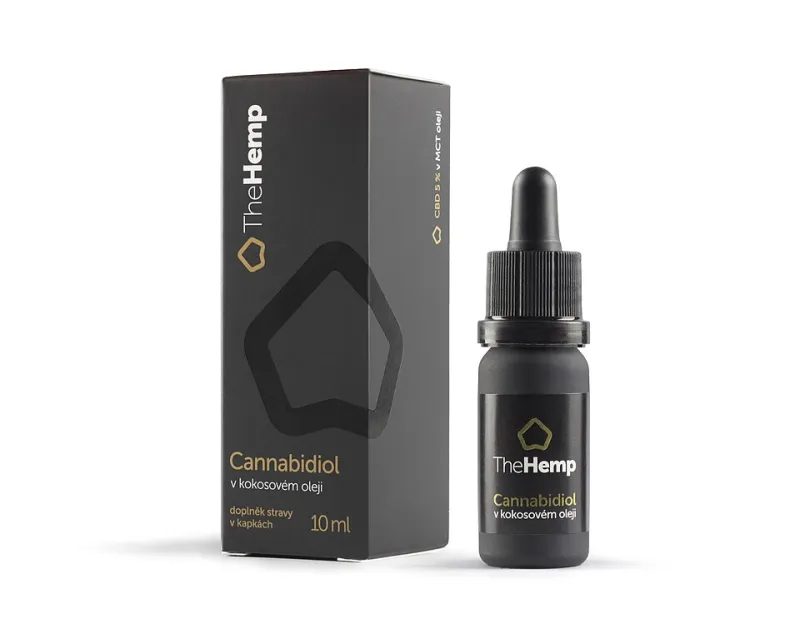
Photo: TheHempOfficial, CC BY-SA 4.0, via Wikimedia Commons
Walk into any UK health shop and you will see the same phrases doing the heavy lifting on CBD packaging. Bottles promise to be pharmaceutical-grade, doctor-formulated, water-soluble or clinically studied. Some of that language is useful. A lot of it is decoration. The trick is not to become cynical about every claim, but to learn which ones give you something checkable.
Start with the question: what does this phrase tell me?
A good label phrase should help you answer a practical question. How much CBD is in a serving? What kind of CBD is it? Can I check the batch? If a phrase does not help with any of those, it is probably there to make the product feel more advanced than the competition.
That does not mean every brand using vague language is dodgy. Marketing teams like short, reassuring phrases because they sell. Your job as a shopper is to look past the adjective and find the fact underneath.
"Pharmaceutical-grade" is not a regulated badge
This is one of the most common phrases on UK CBD shelves, and one of the least helpful. In the UK, medicines are licensed by the MHRA and carry a marketing authorisation. CBD oils sold as food supplements or general wellness products are not medicines, and "pharmaceutical-grade" is not a protected term with a single legal definition.
A brand might use it to mean its extraction process is clean or its testing is strict. Fine. But you cannot verify that from the phrase alone. Look instead for a batch-specific certificate of analysis, a clear cannabinoid profile and stated contaminant testing. Those are the facts behind the flourish.
"Doctor-formulated" needs a paper trail
Could a doctor have been involved in developing a CBD product? Of course. Does the phrase prove it? No. There is no standard meaning, and "formulated" could cover anything from genuine product development to a brief consultation.
If this claim matters to you, look for a named expert, a clear explanation of their role and some detail about why the formulation is different. If none of that exists, treat the phrase as mood music. It is not a reason to pay more.
"Water-soluble" can be useful, but it is not magic
CBD is naturally fat-loving, not water-loving. Products described as water-soluble usually use an emulsion, a carrier system or very small particles to help CBD mix into drinks. That can be genuinely convenient if you want to stir a serving into water or tea.
But the phrase does not tell you how much CBD you are getting, whether the formulation is stable, or whether the premium is worth it. Check the milligrams per serving and the serving size first. If a water-soluble product costs twice as much for the same amount of CBD, ask yourself whether the format matters enough to you. For many people, a standard oil is perfectly adequate.
"Lab-tested" only counts when it is batch-specific
Testing is good. Vague testing claims are less good. "Lab-tested" on its own does not tell you what was tested, when, by whom or whether the result relates to the bottle in your hand.
What you want is a certificate of analysis linked to a batch code printed on the packaging. The report should show cannabinoid content, THC level and contaminant testing. A QR code that takes you to a current report is a good sign. A generic PDF from three years ago is not.
"Full-spectrum" and "broad-spectrum" are shorthand, not quality ratings
These terms describe what is in the product, not how good it is. Full-spectrum usually means the extract contains a range of cannabinoids, including trace THC within legal limits. Broad-spectrum is often used for products with THC removed or reduced, but definitions vary between brands.
Neither phrase tells you the actual cannabinoid profile. If a brand leans heavily on "full-spectrum" but does not publish a profile, you are still guessing. Check the label and the lab report, and remember that more cannabinoids do not automatically mean a better product for you.
Words that tend to earn their space
The most useful information on a CBD label is usually boring. Total CBD in the bottle. CBD per serving. Serving size. Type of extract. Carrier oil. Batch code. THC level. Company contact details. A link to a current lab report.
These details let you compare products properly. They also make it harder for a brand to hide a weak product behind fancy language. A 500mg bottle with clear dosing and a matching lab report is more trustworthy than a 500mg bottle covered in superlatives.
The five-minute shelf test
Pick up the product. Find the total CBD and the CBD per serving. Check whether the serving size is realistic. Look for a batch code. Scan the QR code or search the batch online. If the lab report is missing or does not match, put it back.
Then look at the price per milligram. This is the quickest way to spot poor value, especially when brands use different bottle sizes. A cheap-looking bottle can be expensive per milligram, and a pricier one can be decent value if the dose is clear.
The bottom line
Ignore the phrases that cannot be checked. Reward the ones that can. "Pharmaceutical-grade" and "doctor-formulated" are usually noise until proven otherwise. "Water-soluble" and "lab-tested" can be useful, but only when they come with specifics.
The best phrase on a CBD label is a number you can verify. Everything else is just packaging.