The Top-Shelf Treaty: A Pet-Safe Home for Your CBD Bottle
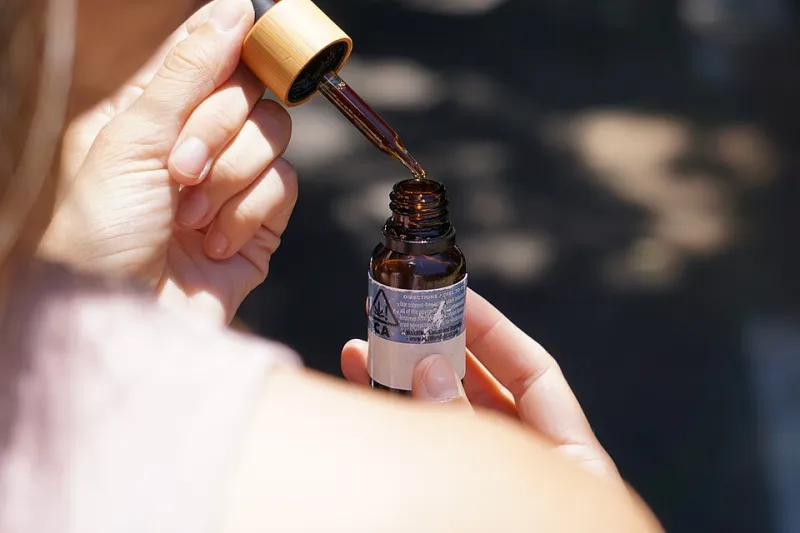
Photo: elsaolofsson, CC BY 2.0, via Wikimedia Commons
Most CBD bottles arrive in a home with good intentions. You find a spot near the kettle, the bedside lamp or the front-door keys, and you get on with your day. Then a dog with the nose of a truffle hunter discovers the cupboard, or a cat decides the bathroom shelf is a climbing frame. The bottle is not a toy, but it can look like one.
The boring truth is that human CBD products are not pet treats. They are made with humans in mind — human strengths, carrier oils, flavourings and all — and pets should not be sharing them. This is not about scaring anyone. It is about making the bottle a little less interesting and a little less reachable.
Why the human bottle is not a pet bottle
UK CBD products are generally sold as food supplements or cosmetics, not veterinary medicines. There is no handy pet dose printed on the side, and your cat or dog is not simply a small adult. A human product may contain a strength, carrier oil or flavouring that suits people but was never designed for animals.
If you want to explore CBD for a pet, that is a conversation with your vet. It is not a case of dividing your own drops by body weight or copying something you read in a forum. The simplest household rule is the safest one: human bottle, human only.
Choose a home, not a handy spot
Convenience is the enemy here. Kitchen worktops, bedside tables, coffee tables and open handbags are all places pets investigate. A high, closed cupboard is better. So is a labelled storage box that lives out of reach and gets closed properly every time.
Do not rely on child-proof caps as pet-proof caps. A determined dog can chew, and a cat can bat a small bottle onto the floor with alarming accuracy. If you keep CBD in the fridge, put it in a sealed tub rather than loose on the door shelf. If you live in a shared house, tell the other humans where it lives. Guests should not leave their own bottles in a guest-room washbag where a pet can find them.
Read the label like a pet-safety check
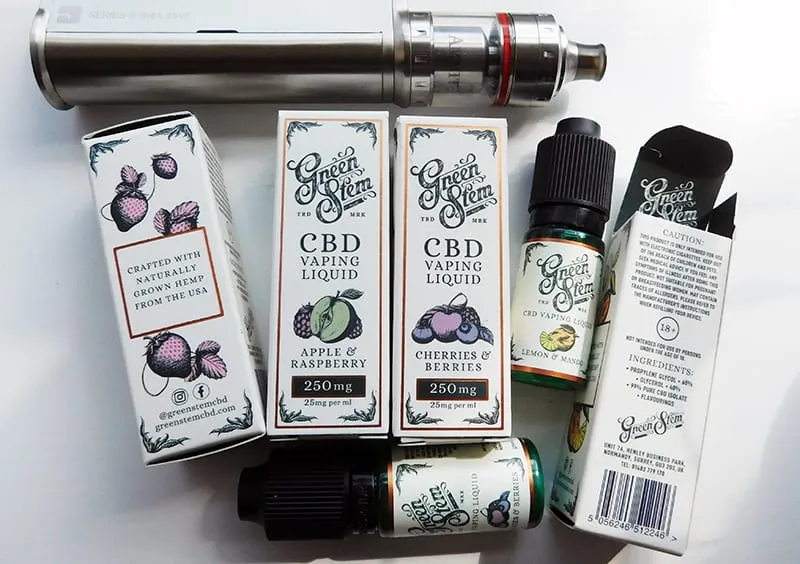
Before the bottle goes into its new home, have a proper look at the ingredients. Sweeteners are worth checking — xylitol, for example, is a well-known concern around dogs. Flavourings matter too, especially anything chocolatey, minty or built around strong essential oils. These are not reasons to panic about your own use; they are reasons to keep the bottle properly out of reach.
If the label is vague, treat that as a reason to store it more carefully, not less. Keep the original packaging and batch code. If you ever need to ring a vet, that information is much more useful than a half-remembered brand name.
Spills and dropped capsules
Spills happen. A bottle tips, a dropper leaks, a capsule rolls under the table. Move pets out of the room first, then deal with the mess. Use paper towels or a cloth, wipe the surface properly, and put the waste in a bin with a lid. Do not let a pet lick the floor or investigate the bin.
Dropped capsules deserve a quick count. If one is missing and your pet was in the room, assume it may have been eaten. Ring your vet rather than waiting to see what happens. Have the product label, your pet's approximate weight, the time and the amount missing to hand. Do not induce vomiting unless a vet tells you to. Do not reach for an internet dose calculator.
The vet call, not the forum scroll
If your dog or cat has had a sniff, lick or chew of a CBD product, ring your vet. UK vet practices deal with curious pets all the time, and they would rather answer a cautious call than treat a worse problem later. Signs can vary, and some pets show very little at first. If a meaningful amount is missing, do not wait for symptoms before making the call.
This is general household safety, not veterinary advice. The point is simply to make the first step obvious: vet first, internet second — or preferably not at all.
A small household treaty
Keep CBD high, closed and labelled. Tell everyone in the house where it lives. Check the ingredients for pet-unfriendly extras. Clean up spills like a grown-up rather than hoping the dog will help. And if the bottle and the pet ever meet, ring the vet with the packaging in hand.
It is not the most exciting routine, but it is the one that keeps your CBD a human-only habit. Boring storage is underrated. It is also much cheaper than a vet bill.