Biscuit Tin Logic: Storing CBD in a Shared UK Home Without the Lecture
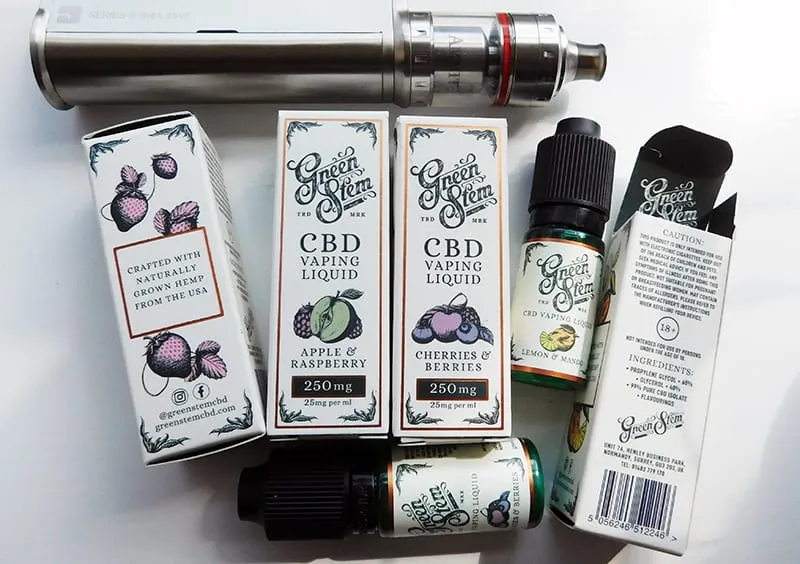
Photo: Ecig Click, CC BY-SA 2.0, via Wikimedia Commons
Most CBD storage guides are written for a person with a spare shelf, no children in the building and a housemate who never opens the wrong cupboard. That is not most UK homes. Shared flats, family kitchens, weekend visits from nieces and nephews, a dog with a talent for finding things under the sink — all of it changes the job. The aim here is not to turn your kitchen into a pharmacy. It is to keep one bottle in decent condition, out of the wrong hands and away from a conversation you would rather not have over breakfast.
It Is a Product, Not a Ornament
CBD oil does not need a shrine. It does need a bit of thought. Leaving it on the windowsill next to the basil, beside the kettle or on the bathroom shelf is a quiet way to let heat, light and steam do their worst. Most oils are happiest in a cool, dark cupboard, standing upright, with the cap done up properly. If the label says something different, follow the label. That is the whole hierarchy.
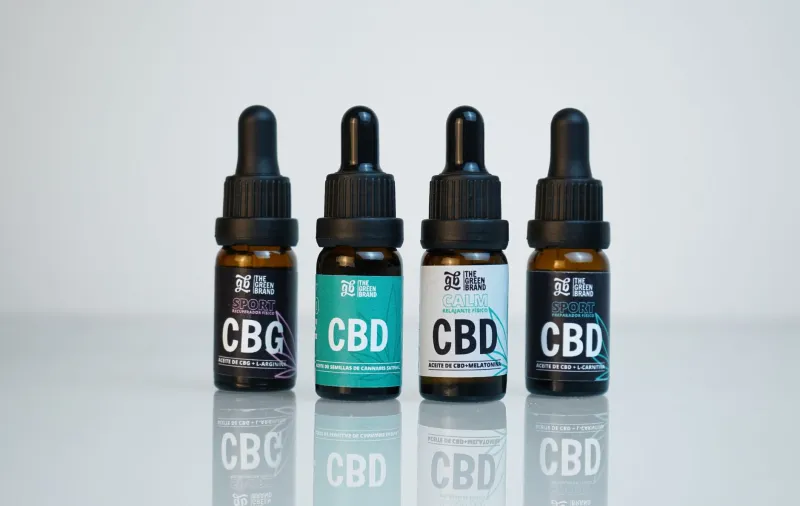
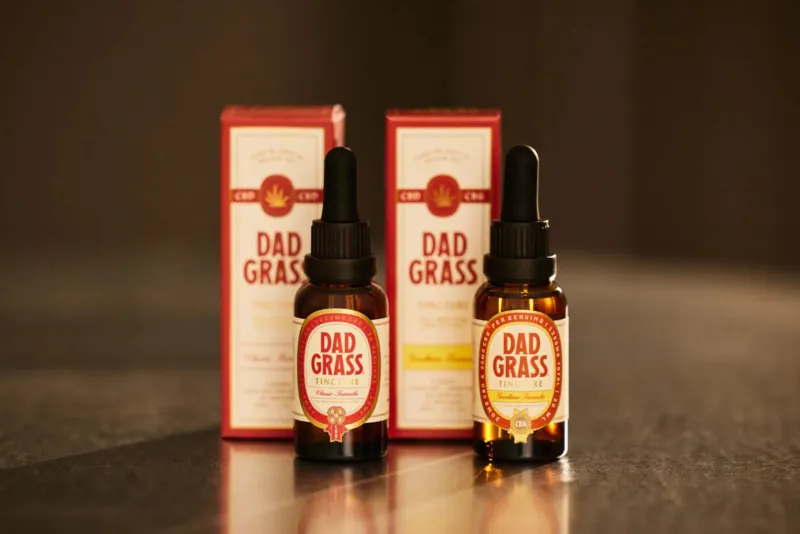
Keep it in the original bottle where you can. The original bottle has the batch code, the strength, the opening date and often a child-resistant cap. Decanting into a pretty amber dropper you bought online may look tidier, but it strips away the information someone else might need. If you absolutely must decant, label the new bottle immediately and clearly. No mysterious unmarked liquids in a shared house. That is how you end up in a very odd conversation about salad dressing.
Fridge or Cupboard? Read the Bottle, Not the Forum
There is a lot of confident advice online about refrigerating CBD oil. Some of it is sensible; some of it is just someone with a strong opinion and a clean kitchen. The useful rule is simple: check the product label and the brand's storage instructions. If it says refrigerate, refrigerate. If it says store below 25°C in a cool, dry place, a normal kitchen cupboard away from the oven and radiator is fine.
In a shared fridge, a CBD bottle can easily become the thing nobody wants to move to get the milk. If you do keep it chilled, put it in a sealed tub or a small labelled box on a shelf rather than loose in the door. That prevents the classic double-take when someone reaches for the mayonnaise. It also reduces condensation and the chance of it being knocked over. Do not freeze it. Do not leave it in a hot car. Do not store it in the cupboard directly above the hob because that cupboard is basically a sauna with plates in it.
The Low Cupboard Problem
Low cupboards are where storage plans go to die. Under the sink, beside the cleaning products, at toddler height, next to the dog's lead — all bad ideas. Children are curious and quick. Pets are lower to the ground and more determined than you expect. A dropped droplet or an open cap is not a theoretical risk.
Go high and go boring. A plain lockable tin or a sturdy box with a latch on a high shelf is unglamorous and effective. Avoid using an old biscuit tin if children in the house associate biscuit tins with biscuits. That is not a hiding place; that is a treasure hunt. A plain metal box with a proper catch is better. If you have pets, wipe up any spills straight away, keep bottles out of reach and remember that human CBD products are not pet products. If you are curious about CBD for a dog or cat, that is a separate conversation with a vet, not a case of sharing your dropper.
Labels That Do the Talking For You
You do not need a label maker and a colour-coded system. You need a pen and a bit of common sense. Write on the bottle or a sticker: what it is, the strength if it helps, the date you opened it and a short line like 'keep out of reach of children'. If it lives in a shared kitchen, label the box too. 'CBD — please leave' is clearer than 'my stuff'.
A word on housemates: most awkwardness comes from ambiguity, not judgement. A bottle of dark oil in an unmarked dropper next to the olive oil is an invitation to confusion. A labelled bottle in a labelled box on a high shelf is not. If someone in the house is pregnant, on medication or just not interested, they do not need a lecture. They need to know what the bottle is and that it is not theirs. One sentence does the job.
A Five-Minute Household Audit
Pick a spot that is high, dry, dark and out of reach. Check the cap is secure. Check the label is still readable. Check the date you opened it, if you wrote one. Check there are no sticky drips on the shelf. If you keep it in the fridge, check it is in its sealed box and not rolling around loose. Tell one other adult in the house where it lives, even if that person never touches it. That is the whole audit. It takes less time than finding the matching lid for a lunchbox.
Do not stockpile bottles in three different cupboards because you forgot what you already had. A small number of products, stored properly and used within the period stated on the label, is the quieter approach. When you travel, keep it sealed and upright in a wash bag rather than loose in a handbag next to a radiator. When you get back, put it away properly instead of leaving it in the hall for a fortnight.
The back-to-basics version is not complicated: original bottle, cool dark spot, high shelf, clear label, sealed box if needed, and a quick word with the people you live with. No pharmacy, no drama, no mystery liquids. Just a sensible bit of household admin — biscuit tin logic, minus the biscuits.