Key in Hand, Questions First: A UK Driver’s CBD Label Check
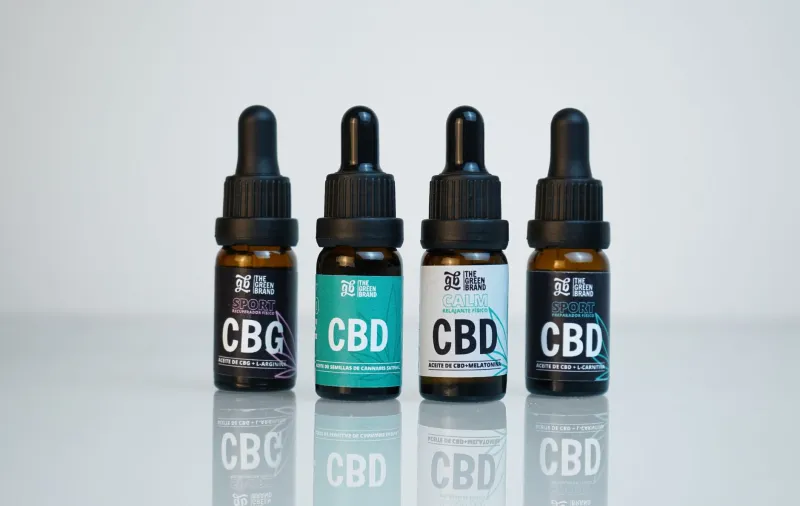
CBD has slipped into the everyday routine for plenty of UK shoppers — a few drops before the commute, a gummy on a stressful afternoon, a balm in the glovebox. But if you drive, the sensible question is not “is CBD legal?” It is “what exactly is in this bottle, and what does that mean for me behind the wheel?”
That is not a scare story. It is a label-literacy story. CBD marketing is very good at sounding reassuring. Roadside drug testing, unfortunately, does not run on marketing.
CBD Is Not THC — but the Bottle Is the Wild Card
CBD and THC are cannabinoids found in the cannabis plant, but they are not the same thing. THC is the one associated with the psychoactive “high” and with the UK’s drug-driving limits. CBD is the non-intoxicating cannabinoid you see in oils, capsules, drinks and balms.
In plain terms: CBD itself is not the thing the police roadside swab is generally looking for. THC is. The awkward bit is that a CBD product is not automatically a perfectly clean, THC-free liquid just because the front label says “CBD”. Quality varies. Some products are made with isolated CBD; others are “full spectrum” or “broad spectrum”, which can mean other plant compounds are present at some level.
That does not mean every full-spectrum bottle is a problem. It means the label alone cannot settle the question. You need the batch paperwork.
The Drug-Driving Limit Is a THC Number, Not a CBD Number
The UK has legal limits for certain drugs while driving, and THC is one of them. The exact limit and enforcement details differ across the UK, so check the current official guidance rather than trusting a forum post or a brand’s FAQ page. The UK drug-driving laws have been with us since 2015, and they are enforced with roadside swabs and blood tests.
Here is the important distinction for CBD users: the law is not built around “I only took CBD”. It is built around what is detected in your system. If a product contains THC — even if the label is vague about it — that is the bit that matters. If you use a prescribed cannabis-based medicine, that is a different legal and medical conversation; speak to your prescriber or a qualified adviser rather than treating a CBD blog as your solicitor.
This is also why “I felt fine” is not a legal defence. Drug-driving limits are not the same as drink-driving “over the limit” guesswork; they are set numbers.
‘THC-Free’ Is a Claim, Not a Certificate
Labels love a confident phrase. “THC-free”, “0.0% THC”, “lab tested”, “pharmaceutical grade” — they all sound excellent on a shelf. But a claim printed on a bottle is only as good as the evidence behind it.
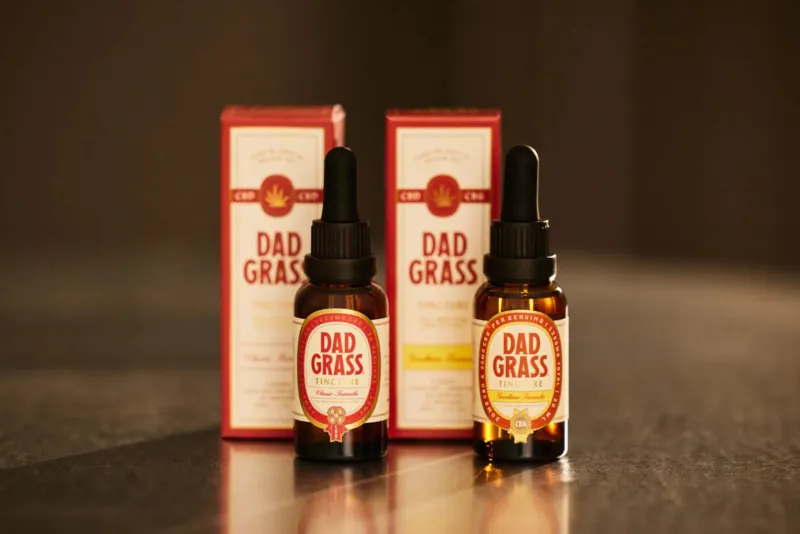
What you want is a batch-specific certificate of analysis, often called a COA or lab report. It should match the batch code on your actual product, not just the brand’s generic website PDF. It should show what was tested, when, by which lab, and — crucially — the THC result. If the report is for a different batch, different strength or different product, it is not your report.
Also be wary of a lab report that only tests for cannabinoid content and says nothing about contaminants. For driving purposes, THC is the headline, but for general product quality you would also want to see things like heavy metals, pesticides and solvents where relevant. A proper batch report is a paper trail, not a mood board.
What to Check Before You Assume It’s Road-Safe
You do not need a chemistry degree. You need a slightly boring checklist.
First, find the batch number on the bottle or box. Second, find the matching lab report on the brand’s website or ask customer services for it. Third, look for the THC result and the date of testing. Fourth, check whether the report covers the exact product you bought. Fifth, if anything is missing, unclear or out of date, treat the product as an unknown quantity — not as “probably fine”.
If you are trying a new product, do not test it for the first time on a morning when you have a long drive. That is not legal advice; it is basic common sense. Keep the packaging and batch details, especially if you are trying something new. If you are ever unsure about your fitness to drive, the safe answer is not to drive.
And if you are stopped by the police, be honest about what you have taken. Concealing a CBD product or guessing about its contents will not improve the situation. The roadside test is looking for facts, not vibes.
A Boring Glovebox Rule That Actually Helps
In 2026, the CBD aisle is busier than ever, and the labels are more creative than ever. That is all the more reason to keep your own standards dull and repeatable: buy from brands that publish batch-specific reports, keep a note of the batch code, and do not let a friendly “fully legal” badge answer a question it was never qualified to answer.
CBD might be part of your wellness routine. Driving is part of real life. Keep them in separate mental boxes, check the paperwork, and if the label leaves you guessing, do not turn the key on a guess. For legal or medical advice about your own situation, speak to the appropriate official service or a qualified professional — not the product page.