Opened, Unopened, Unimpressed: A No-Drama Guide to Returning CBD in the UK
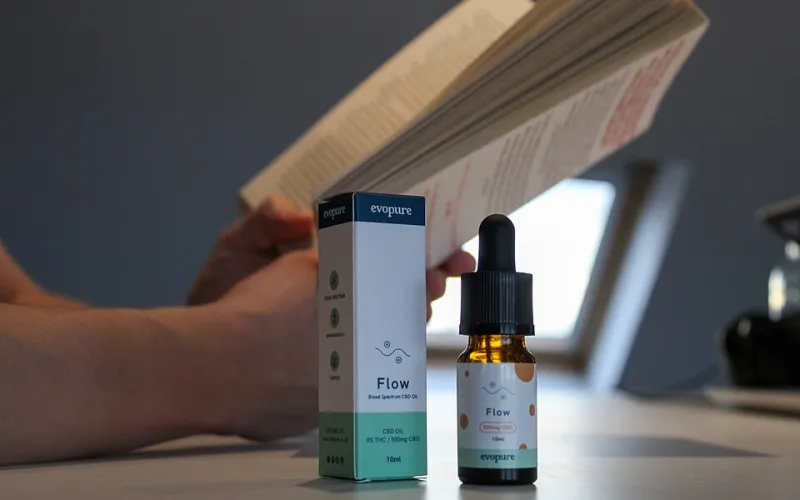
Photo: Evopure, CC BY-SA 2.0, via Wikimedia Commons
Most CBD returns conversations go wrong in the same way. Someone buys a bottle, tries a dropper, decides it is not for them, then discovers the shop has a returns policy written in the sort of language usually reserved for parking fines. The good news is that UK consumer law is less mysterious than the label on a CBD bottle. The less good news is that 'I did not like the taste' is not a legal superpower.
Here at CBD Original, we prefer the back-to-basics version: know what you bought, know what the shop told you, keep the packaging, and complain in plain English. That is 80% of the battle.
First, the boring bit: what you bought and when
If you ordered online, by phone or by post, you are usually covered by the Consumer Contracts Regulations 2013. For most distance sales, you get 14 days from delivery to cancel, and you then have 14 days to send the goods back. The trader should refund you within 14 days of receiving the goods back or proof that you sent them. That is the default position.
But there are exceptions. One of the big ones is sealed goods that are unsealed after delivery and are not suitable for return for health protection or hygiene reasons. A retailer may argue that an opened CBD oil, capsule tub or gummy pouch falls into that basket. Whether it actually does depends on the product, the packaging and what the shop told you before you bought. The exemption is not a magic wand for every CBD item, and the trader has to have made the position clear before purchase. If the returns page was hidden three clicks deep and said nothing about sealed goods, do not assume the shop is automatically right.
In-store shopping is different. There is no automatic 14-day change-of-mind right simply because you changed your mind in a shop. You are relying on the shop's own returns policy. That is why the till receipt and the policy on the wall matter.
Sealed, opened and the 'hygiene' get-out
This is where most of the friction lives. An unopened bottle in its original shrink wrap or tamper seal is an easy conversation. An opened oil with a used dropper is not. Many shops will refuse a change-of-mind return once the seal is broken, and that is not necessarily unlawful. It is annoying, but it is not the same as a scam.
If the product is faulty, not as described or unsafe, the opened-versus-sealed question should not be the end of the story. Consumer law does not stop applying because you opened something you were entitled to try. Keep the bottle, the outer box, the batch code, the leaflet and the receipt. Take photographs before you post anything back. A photo of a leaking cap or a damaged seal is worth more than a paragraph of outrage.
What actually counts as a problem
A CBD product being 'not for me' is a preference. A CBD product being misdescribed is a consumer issue. Those are different lanes.
A problem is when the label says 500mg and the lab report or batch information does not match. A problem is when the bottle arrives leaking, the seal is broken, the capsules are damaged, or the product is not the strength or flavour you ordered. A problem is when the listing says full-spectrum and the paperwork says something else, or when the batch code disappears from the website as soon as you ask a question. A problem is not 'I slept exactly the same as before', because no shop can guarantee a personal outcome.
This is where batch codes and lab reports earn their keep. A serious UK CBD retailer should be able to tell you which batch you have and point you towards a certificate of analysis. If they cannot, treat that as useful information before you buy, not just after.
The 30-day faulty goods route
If something is faulty, not as described or not of satisfactory quality, the Consumer Rights Act 2015 comes into play. In simple terms, you have a short-term right to reject faulty goods within 30 days of buying them and get a full refund. After that, the remedy route can move to repair or replacement, and then to a price reduction or a final right to reject if the problem is not fixed.
Do not let a retailer wave you away by saying 'our returns policy says 14 days'. A returns policy cannot quietly delete your statutory rights. Equally, do not lead with a legal speech if a simple email will do. Start with the facts: order number, product, batch code, what is wrong, what you want, and photographs.
A quick pre-click checklist
Before you buy CBD online in 2026, spend two minutes on the boring pages. Find the returns policy and search it for words like 'sealed', 'opened', 'hygiene' and 'CBD'. Check whether the shop has a UK contact address and a real person who answers email. Look for batch codes and lab reports on the product page. Pay by card if you can, because it gives you a paper trail and a possible route to your card provider if the shop goes silent.
If the product page is all miracle claims and no batch information, that is not a returns problem. That is a buying problem.
What to say when you complain
Keep it short and unemotional. For a distance sale cancellation, try: 'I am cancelling this order under the Consumer Contracts Regulations 2013. I received it on [date] and I am writing within the 14-day cancellation period. Please confirm the return address and refund.'
For a faulty or misdescribed product, try: 'The product I received does not match the listing because [reason]. I am asking for a refund under the Consumer Rights Act 2015. I have attached photographs and the batch code. Please confirm how you will resolve this.'
If the shop argues that the item is exempt because it has been opened, ask them to point to the exact wording they showed you before purchase. If they cannot, say so politely and ask them to reconsider. Keep everything in writing. If they offer a credit note when you want a refund, you are allowed to say no where a refund is due.
If a card payment goes wrong and the retailer will not engage, ask your card provider about chargeback. For credit card purchases over £100 and under £30,000, Section 75 may also be relevant. It is not a first move, but it is a useful backstop.
When to walk away
Walk away from a CBD shop that cannot tell you what is in the bottle, where it came from or how to return it. Walk away from pressure tactics, fake urgency and vague claims that a product will cure this or fix that. Walk away from anyone who treats a basic batch-code question as an insult.
The straightforward version is this: an unopened CBD product bought online usually has a cancellation route, an opened one may not, and a faulty or misdescribed one should be dealt with under consumer law rather than the shop's mood. Keep the paperwork. Ask one clear question at a time. And if the policy language starts to feel like a maze, remember that you are allowed to ask them to put the answer in plain English.