The First-Dropper Flinch: A No-Nonsense Guide to How CBD Oil Actually Tastes
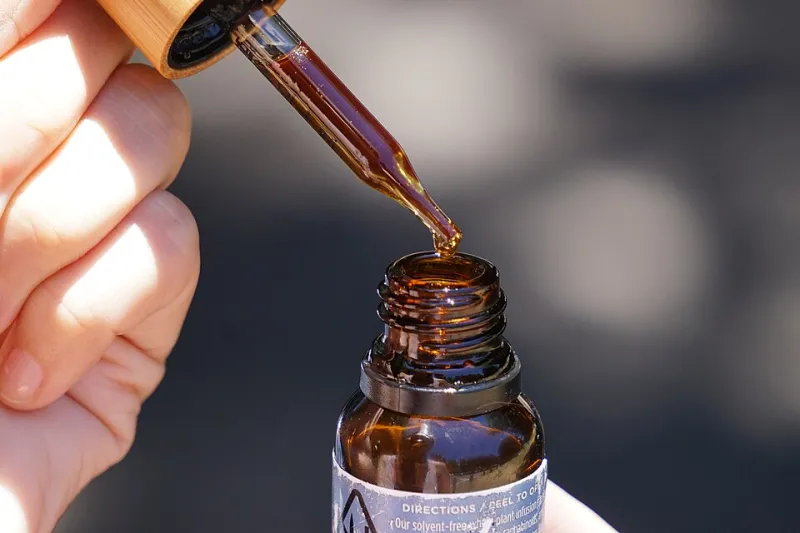
Photo: elsaolofsson, CC BY 2.0, via Wikimedia Commons
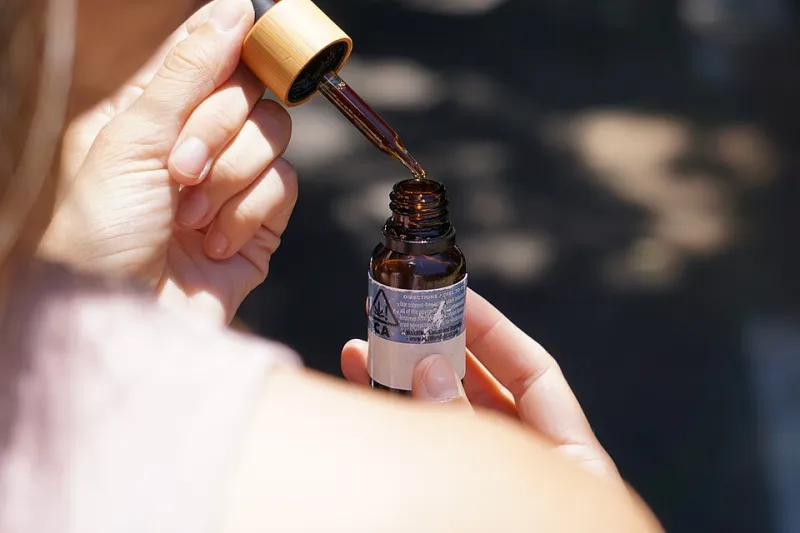
There is a particular moment that happens with a first bottle of CBD oil. You unscrew the cap, give it a sniff, and think: right, that smells like a garden centre after rain. Then comes the dropper, the hopeful pause, and the first-dropper flinch. It is not a glowing wellness advert. It is a plant extract in a bottle, and it tastes like one.
That is not a sign you have bought a dud. Most of the time, it is a sign you have bought something real. But taste is also one of the few clues you get before you have tried a product for a week, so it is worth understanding what is normal, what is just a matter of personal preference, and what is worth checking properly.
Hemp tastes like hemp, and that is the starting point
CBD oil is not a flavoured sweet. It is usually a hemp extract mixed with a carrier oil, and hemp brings its own flavour profile: earthy, grassy, sometimes woody, often a little bitter at the back of the tongue. Some people describe it as hay-like. Others say it is closer to green tea left in the mug too long. Neither description is wrong.
The strength of that flavour depends partly on how much hemp extract is in the bottle and partly on the type of extract. A full-spectrum oil, which contains a wider spread of plant compounds, tends to taste more robust. A broad-spectrum oil may be slightly softer. An isolate product, where CBD is separated out and mixed into oil, is often the mildest of the lot — sometimes almost tasteless, sometimes with a faint oily note and little else.
So if your bottle tastes like a plant, that is not a fault. If it tastes like nothing much, that is not automatically a fault either. It is information about what is inside.
Carrier oils change the conversation
CBD does not arrive in a bottle on its own. It is carried in something, and that something matters for taste. In the UK, you will commonly see hemp seed oil, MCT oil — usually from coconut — olive oil, and occasionally sunflower oil.
Hemp seed oil has a nutty, green, slightly bitter edge. It can make the whole bottle taste more rural. MCT oil is much more neutral, thin and almost slippery on the tongue, so the hemp flavour comes through cleanly but with less of a lingering aftertaste. Olive oil brings its own peppery note, which some people like and others find distracting. Sunflower oil is mild and unobtrusive.
None of these is better or worse by default. They are different vehicles. If you have tried one CBD oil and hated the taste, it is genuinely worth trying a different carrier before deciding that all CBD tastes the same. A hemp seed oil full-spectrum bottle and an MCT oil broad-spectrum bottle can feel like two different products in your mouth.
The dropper problem is usually a technique problem
Most people who say they hate the taste have been putting the oil straight onto the back of the tongue and swallowing quickly. That is the fastest route to a bitter hit. A calmer approach works better.
Try holding the dropper to the side of your mouth, between cheek and gum, and releasing the oil slowly. Let it sit for a few seconds before swallowing. You do not need to swill it like mouthwash, but you do want to avoid dumping it onto the part of your tongue that is most sensitive to bitterness.
Some people prefer to take it just before a normal drink — not to disguise the taste completely, but to clear the palate afterwards. A plain glass of water is the boring and reliable option. A cup of tea works for plenty of people too, though strong coffee can make the aftertaste feel more pronounced. If you are taking CBD alongside prescribed medication, keep the timing conversation with a pharmacist or prescriber rather than guessing from a taste guide.
A quick note on the obvious: do not chase the taste with a hot drink straight from the kettle. You are not trying to cook the oil. Lukewarm or cold is fine.
When a strange taste is worth checking
There is a difference between earthy and wrong. Earthy is the usual hemp flavour. Wrong is a sudden sourness, a rancid oil note, a smell like old nuts, or a bottle that tastes noticeably different from the one you finished last week.
Oils do go off. Light, heat and air are not kind to them. If your bottle has been sitting on a sunny kitchen windowsill since the summer, or the cap has been loose in a drawer, that is a storage issue rather than a taste preference. The same goes for a product that has been open well past the period stated on the label.
If something tastes off, check the batch code on the bottle against the lab report or product page. A reputable UK seller should be able to point you to a batch-specific certificate of analysis, and the batch number should match. That will not tell you what your tongue should be experiencing, but it will confirm whether the product is the one you think it is. If the batch code is missing, hard to find, or does not match the paperwork, treat that as a buying-guide red flag rather than a flavour quirk.
The squash question: mask it or check it?
Adding squash, juice or a strong cordial is a common first move. It can make a bitter oil easier to take, and there is no rule against it. But it can also hide the signal you need. If you are masking a genuinely unpleasant taste every single time, you may be covering up a storage problem or a product that does not suit you.
A better approach is to taste the oil plainly once, on a day when you are not rushed. Note whether it is earthy, grassy, bitter, peppery, neutral or barely there. Then decide how you want to take it. If you need a chaser, fine. But know what you are chasing.
A short taste checklist
- Earthy, grassy or woody: normal for hemp extract, especially full-spectrum.
- Faintly bitter at the back of the tongue: common, and often down to the extract rather than the carrier.
- Peppery or nutty: likely the carrier oil — olive or hemp seed, for example.
- Almost neutral: more likely an isolate or a mild broad-spectrum product in MCT oil.
- Sour, rancid or sharply different from before: check storage, dates and batch code before carrying on.
CBD oil is not supposed to taste like a pudding. It is supposed to taste like a plant extract that has been put in a bottle with a sensible carrier oil. Once you know what normal tastes like, the first-dropper flinch becomes a lot less dramatic — and you can get on with the actual business of deciding whether the product works for you.