Shelf-Life Sanity Check: Giving the CBD Bottle at the Back of Your Cupboard a Fair Hearing
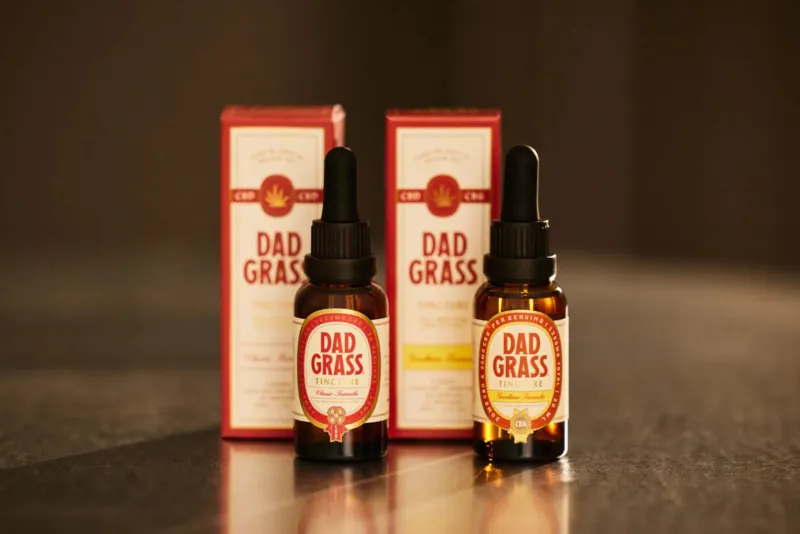
There is a particular kind of cupboard archaeology that happens in every British kitchen. You move the porridge oats, shift the half-open bag of lentils, and there it is: a bottle of CBD oil you bought with good intentions sometime around last spring. Maybe the label is a bit sticky. Maybe the box is long gone. And now you are standing there wondering whether it is still fine, slightly past it, or best sent to the great recycling bin in the sky.
This is not a chemistry exam. It is a cupboard audit, and it can be a surprisingly sensible one. CBD oils are not mystical potions that collapse the moment the calendar flips over, but they are also not immortal. A bit of context helps you make a level-headed call rather than guessing from the colour of the cap.
First, the date on the label is not a countdown timer
Most CBD oils sold in the UK carry either a best-before date or a use-by date. They are not quite the same thing. A best-before date is about quality: the maker is saying the product should be at its best up to that point. A use-by date is more serious and usually reserved for things where safety is a clearer concern. For CBD oil, you will most often see a best-before-style date, but check the wording rather than assuming.
What matters is where that date sits in relation to when you opened the bottle. An unopened CBD oil stored properly may well be fine up to its stated date. Once air has been introduced, the clock is a bit less tidy. Many brands suggest using the oil within a certain number of months after opening, and that advice is worth following if it is printed on the packaging. If the label says nothing, treat the best-before date as your outer limit and aim to use the bottle steadily rather than saving it for a special occasion that never arrives.
Batch codes are boring, and that is the point
That little string of letters and numbers near the base or on the side of the label is not decoration. It is the batch code, and it lets the brand trace the product back to a specific run. In practical terms, it is useful if you have a question about the oil or want to check a lab report. It also helps you avoid mixing up two bottles from different purchases.
When you do your cupboard audit, write the batch code and the date you opened the bottle on a bit of masking tape if the label has room. It sounds fussy, but it takes ten seconds and saves you from squinting at a faded label in six months. This is the unglamorous side of buying CBD in the UK: a bit of admin now, less guesswork later.
Light, heat and the humble kitchen radiator
CBD oil does not need a dramatic storage ritual. It mostly needs to be left alone in a cool, dark, dry place. A closed cupboard away from the hob is usually fine. A windowsill is not. Nor is the shelf directly above the radiator, however convenient it seems when you are making a cup of tea.
Light and heat are the two obvious troublemakers. Repeated temperature swings are not helpful either, which is why the bathroom cabinet is often a poor choice despite its reputation as the default home for everything. Steamy showers and warm bathrooms are not kind to oils. If your kitchen gets very hot in summer, consider a lower cupboard rather than the one next to the oven.
What about the fridge? Some people swear by it, but it is not automatically better. Cold storage can cause the oil to thicken or separate, and moving it in and out creates condensation. If you do use the fridge, keep the bottle upright, sealed and in a stable spot. Otherwise, a normal cool cupboard is the simpler answer.
Signs that a bottle has had its day
You do not need to become suspicious of every bottle. Most CBD oils look and smell fairly unremarkable, and that is exactly what you want. But a quick check before use is sensible.
- Smell: A fresh oil should smell like its carrier oil and whatever natural flavour it contains. A sharp, rancid or noticeably off smell is a sign to stop.
- Texture: Separation or a thick, gloppy consistency can happen, especially with colder temperatures. If it does not return to normal after a gentle warm-up in your hands, be cautious.
- Colour: Some natural variation is normal. A dramatic change from what you remember is worth questioning.
- Sediment or cloudiness: A little natural sediment may not be a disaster, but if it looks wrong to you, do not force it.
- Packaging: A cracked bottle, a loose cap or a damaged dropper is a practical reason to retire it. You do not want glass fragments or contamination in the mix.
If the date has passed, the oil has been sitting in a warm spot, or the smell is off, the calm answer is simple: let it go. You do not need to conduct a taste test to prove a point.
A five-minute cupboard routine
Once in a while, take everything out of the CBD corner of your cupboard. Check the dates. Check the caps. Put the oldest bottle at the front so you actually use it. Wipe the outside of the bottle if it is sticky. Keep the packaging with the batch code if you still have it. And if you find a bottle you cannot identify, with no date and no memory attached, do not turn it into a mystery project.
CBD is a straightforward enough purchase when you treat it like any other cupboard item: buy what you will use, store it sensibly, and do not let it become a permanent fixture behind the teabags. A little shelf-life sanity goes a long way.