Listed or Just Listed Somewhere? The FSA Register Check That Takes Five Minutes

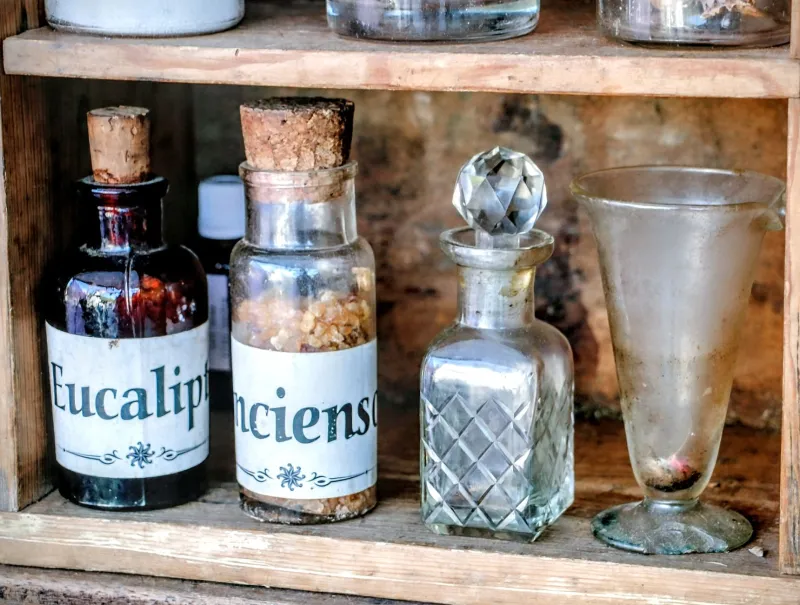
Photo: Stanley Howe, CC BY-SA 2.0, via Wikimedia Commons
The bit most CBD labels skip
You can learn a lot from a CBD label: strength, servings, batch code, maybe a lab report behind a QR square. What you won't usually find is a plain answer to a simple question — is this brand actually on the UK's novel foods register?
That matters because CBD is treated as a novel food in the UK. In practice, that means products should be linked to an application that has been put in front of the Food Standards Agency. The FSA keeps a public list of CBD products and brands that have submitted applications. It is not a gold star. It is not a safety certificate you can frame. But it is a paper trail, and a paper trail is worth five minutes of your time.
This is the no-drama version of checking it.
First, get the language straight
Three phrases get muddled together, so let's separate them.
Authorised is the end of the process. It means a novel food application has been fully assessed and approved for sale. In the CBD world, that is the high bar, and it is not the same as simply appearing on a list.
On the register means the product or brand has an application in the system and is listed by the FSA. That is the common situation for many CBD products in the UK. It shows someone has started the paperwork. It does not mean the FSA has signed off the product's safety, and it does not mean the application will succeed.
No paperwork in sight means you cannot find the brand or product on the register at all. That is the one that should make you pause. It might be an old listing, a naming mismatch, or a product that has slipped through. Either way, it is a reason to ask questions before handing over your money.
Where the list actually lives
The FSA publishes its novel foods register on its website. You are looking for the CBD section — the list of products linked to novel food applications. It is a spreadsheet-style affair, not a glossy shopping page. Search for 'FSA novel foods register CBD' and you'll find it.
A word of warning: it is not the most elegant corner of the internet. Names are not always written the way they appear on the bottle. Brands change, products get reformulated, and entries can be updated or removed. So treat it as a living document, not a stone tablet.
The five-minute routine
Here is the routine I'd use in a shop or on a sofa with a phone in one hand and a bottle in the other.
1. Search the brand name, not just the product name. Start broad. If the brand is on the list, you'll usually see a cluster of entries. If nothing comes up, try the parent company or the name on the back of the label.
2. Match the exact product. This is where people go wrong. A brand being listed does not mean every oil, capsule or gummie under that brand is listed. Look for the product name, strength and flavour if they are given. A 500mg natural oil and a 1000mg mint oil can be separate entries.
3. Check the application status. The register may show whether an application is awaiting assessment, withdrawn, or authorised. 'Awaiting assessment' is common. 'Withdrawn' is a red flag. 'Authorised' is the strongest position, but don't expect to see it on every line.
4. Compare the label details. If the register lists a product called 'CBD Original 10% Oil' and your bottle says 'CBD Original Extra Strength 10% Oil — New Formula', that is close but not identical. Close is not the same as matched. Ask the retailer which entry applies.
5. Don't rely on the QR code alone. A QR code that opens a lab report is useful for cannabinoid content. It is not proof of novel food registration. Check the FSA list separately.
6. Note the date. The register changes. An entry that was there in the summer might be gone by winter. If you are buying in November 2026, check the list in November 2026. A screenshot from two years ago proves nothing.
What to do when the brand is missing
Don't panic, and don't assume the worst straight away. First, check the spelling. Then check the parent company. Then check whether the product has been renamed. If you still can't find it, ask the retailer a direct question: 'Can you point me to the novel food application for this product?'
A good retailer will either send you the entry or admit they don't know. A vague answer about 'full compliance' without a paper trail is not an answer. You are not being awkward. You are doing the same check you'd do before buying anything with a health claim attached.
The honest limits of the register
Being on the register is not a guarantee of quality. It doesn't tell you whether the oil tastes like a hedge, whether the dropper leaks, or whether the batch you bought matches the batch that was tested. It is one piece of evidence, not the whole case.
Equally, not being on the register is not automatic proof of a scam. It is a prompt to ask better questions. The FSA list is a tool for shoppers who want a straight answer about paperwork. Use it that way — calmly, quickly, and without expecting it to do more than it can.
The takeaway
Before you buy CBD in the UK, spend five minutes with the FSA novel foods register. Search the brand, match the product, check the status, and compare the label. If it lines up, you've done your due diligence. If it doesn't, ask why. That is about as back-to-basics as it gets.