Hemp Is Plant-Based — The Rest of the Bottle Is the Question
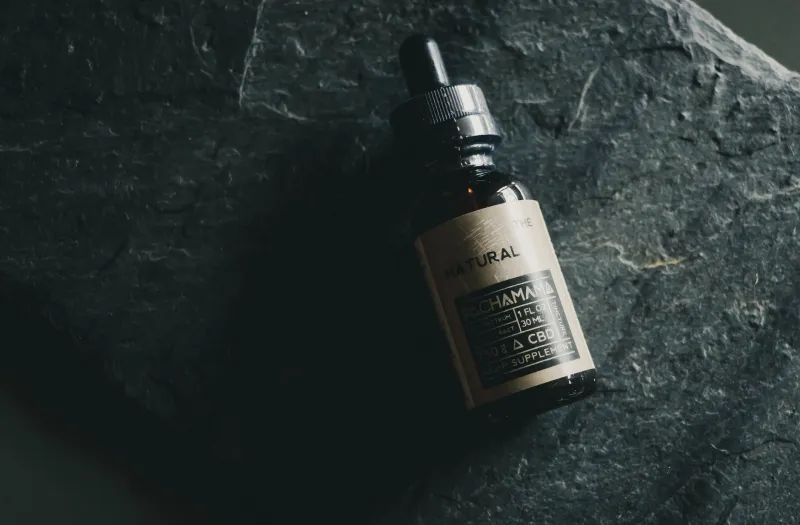
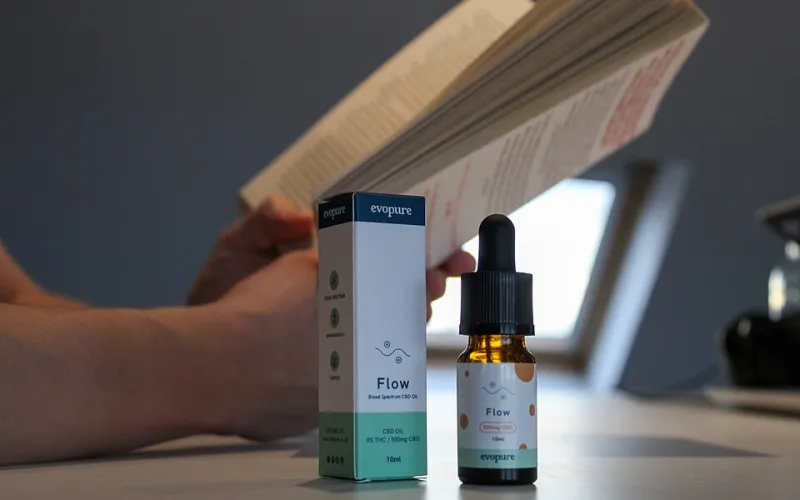
Walk into any UK CBD stockist and the front of the bottle does the talking: strength, flavour, a splash of green. Turn it around and you get a different story — one that's often thinner than the label design suggests. If you keep to a vegan diet, or you buy according to halal or kosher requirements, the cannabinoid is rarely the sticking point. Hemp is a plant. What needs checking is everything wrapped around it: the oil it swims in, the capsule shell, the flavour drops, the alcohol base, and what any logo on the front actually covers.
This isn't a scare piece and it isn't a substitute for guidance from your own religious authority or dietitian. It's a list of the specific places where a CBD product can quietly stop being what you assumed it was, and how to check without needing a chemistry degree.
The carrier oil is doing more work than you think
A CBD oil is mostly carrier. For most UK tinctures that means MCT oil, usually derived from coconut or palm, or sometimes hemp seed oil. Both are plant-based, so the vegan box is normally easy. The nuance is MCT: it's a fractionated oil, and while the coconut version is standard, palm-derived MCT appears too. If palm sourcing matters to you for ethical rather than dietary reasons, the label won't tell you — you'll have to ask.
Hemp seed oil is fine on the vegan front but worth noting if you're checking for allergens, since it can appear alongside other oils in blends. Neither MCT nor hemp seed oil raises a typical halal or kosher flag on its own. The realistic risk with oil-based tinctures sits elsewhere — with the flavouring and the base liquid in some products.
Capsules: gelatin, HPMC and the glycerin question
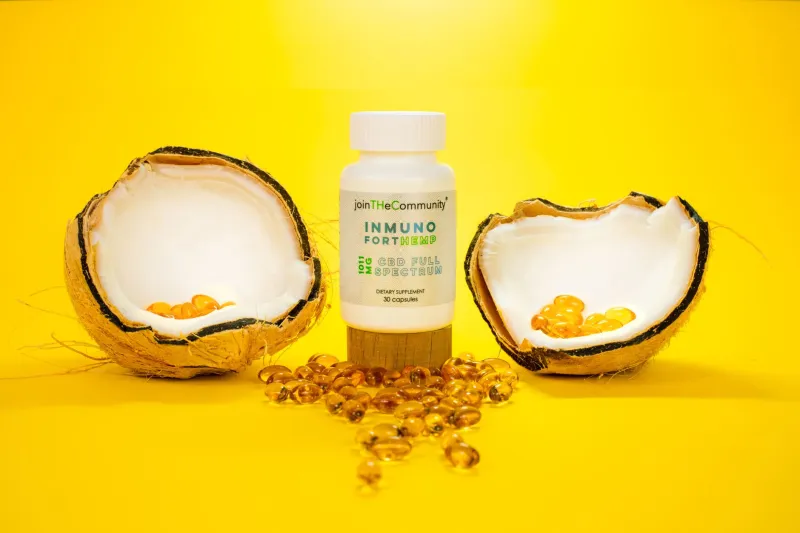
Softgel capsules are the obvious tripwire. Standard softgels are frequently gelatin, which is animal-derived, so a 'CBD capsule' can look plant-based and be nothing of the sort. Many brands now offer HPMC (hypromellose) or pullulan shells, both plant-derived, and these are usually flagged as vegan. If a product doesn't say vegan on the pack, assume the shell needs querying rather than guessing.
Glycerin is the other one to look for. It shows up in capsule shells, in oil blends and in some flavour carriers, and it can be vegetable or animal-derived. A brand that has actually thought about it will know the source. A brand that hasn't will send you a paragraph about hemp.
Flavourings, sweeteners and the alcohol debate
Flavoured CBD oils lean on food-grade flavourings and sweeteners. They're usually synthetic or plant-derived and generally fine, but they aren't always certified, and a 'natural flavouring' declaration tells you almost nothing about origin. If you keep strictly to certified ingredients, this is where a product can slip out of scope without being obviously non-compliant.
The trickier topic is alcohol. Some tinctures use ethanol as a carrier, and CBD sprays and mouth products sometimes contain it at low levels. Ethanol appears in a lot of halal discussions, and opinion isn't uniform — many scholars treat trace alcohol in processed products as permissible, others take a stricter line. That's a decision for you and your scholar, not for a label. What you can do is find out whether alcohol is present at all, which is often buried rather than headline news. Look for 'ethanol' in the ingredients list rather than assuming a glycerin-based tincture is the only type on the shelf.
Certification logos: read the scope, not just the symbol
A Vegan Society trademark is a strong signal, because it involves an audit of the whole product, not just the headline ingredient. But it's a paid certification and not every good product carries it — absence isn't proof of a problem, just proof of an unanswered question.
Halal and kosher certification works the same way and comes with the same caveat. In the UK, halal certification is offered by several bodies, and kosher certification by organisations such as KLBD and the Manchester Beth Din. Where a logo appears, check whether it covers the actual manufacturing site or only a range. Where no logo appears, that doesn't automatically mean unsuitable — it means nobody has verified it.
One important point: in 2026, CBD food products sold legally in the UK need to sit on the FSA's novel food register. That's a safety and legality check, not a dietary one. A product being on the list tells you nothing about its capsule shell.
Five questions worth sending a brand
A short, specific email usually gets a better answer than a general enquiry. Try these:
- Is the capsule shell gelatin or plant-derived, and is the glycerin vegetable-sourced?
- Does the product contain ethanol at any level, including in flavour carriers?
- Are the flavourings and any sweeteners certified vegan, halal or kosher?
- Which certification body covers this product, and what is the scope?
- Can you confirm the carrier oil source — coconut, palm or hemp?
Brands with clear supply-chain knowledge will answer in a couple of days. Vague replies are information too.
The sensible bottom line
Hemp itself isn't the issue. The variables are the things added around it and the willingness of a brand to be specific about them. For most UK shoppers, a plain MCT tincture with a short ingredient list is the easiest place to start. For capsules, check the shell. For anything flavoured or alcohol-based, ask before assuming. And treat any logo as the beginning of a conversation rather than the end of one.